

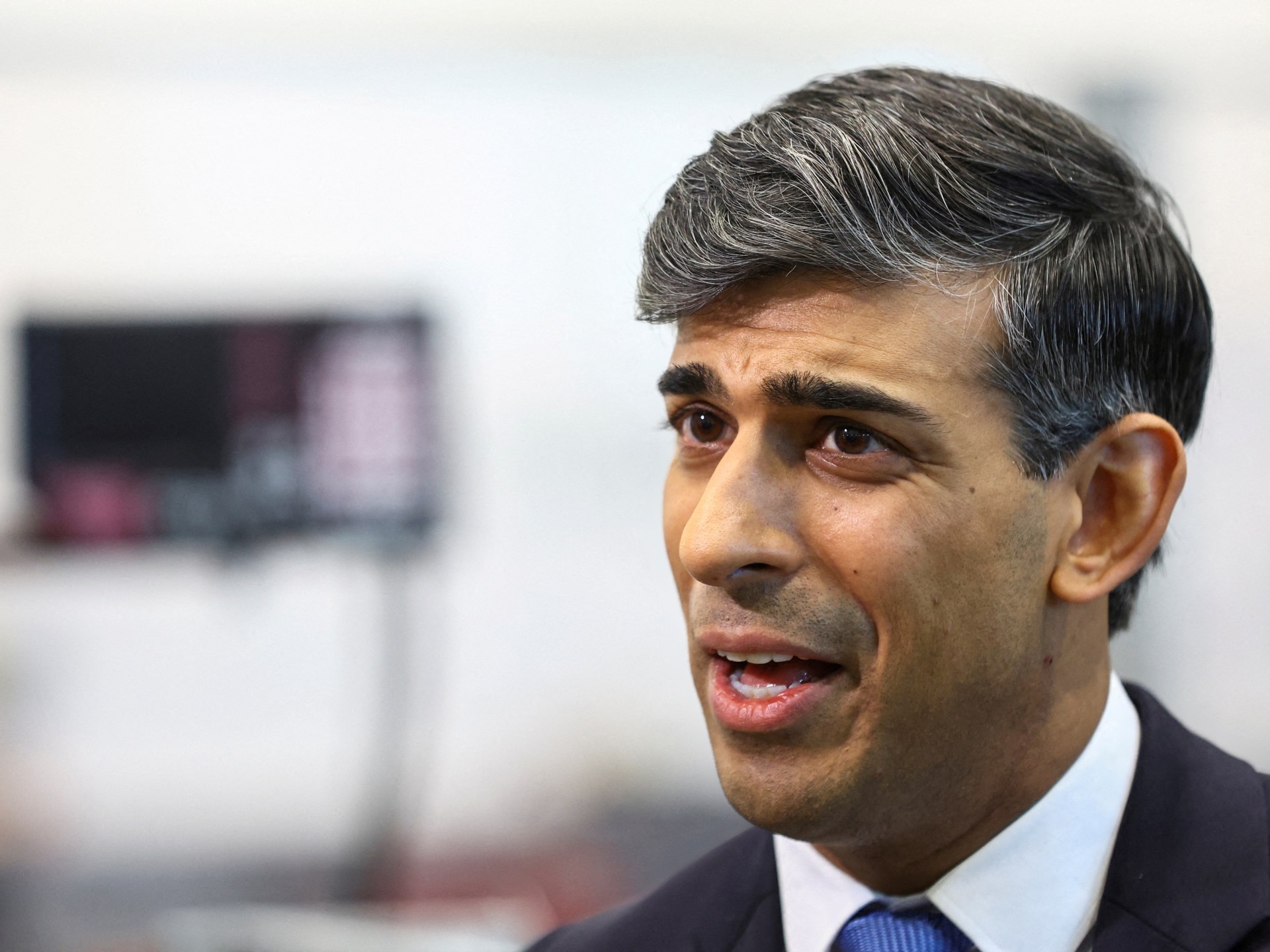
In the ever-evolving landscape of UK politics, Rishi Sunak, the Prime Minister of the United Kingdom, continues to capture the public’s attention with his strategic maneuvers and policy decisions. As of mid-2024, Sunak’s leadership is characterized by a blend of economic ambition, political pragmatism, and international diplomacy.
Economic Focus
At the heart of Sunak’s agenda is a strong emphasis on economic stability and growth. The Prime Minister has recently unveiled a new economic strategy aimed at bolstering the UK’s post-pandemic recovery. Central to this plan are substantial investments in green technology and infrastructure flnewsdaily.com, reflecting Sunak’s commitment to addressing climate change while also stimulating job creation.
In a recent speech, Sunak highlighted the importance of transitioning to a sustainable economy, asserting that this approach not only helps combat global warming but also positions the UK as a leader in emerging green industries. This initiative includes support for electric vehicle production, renewable energy projects, and innovative research in environmental technology.
Political Landscape
Sunak’s tenure has not been without its challenges. His administration has faced scrutiny over a series of domestic issues, including healthcare reforms and the cost of living crisis. Despite this, Sunak has worked to maintain a steady hand, advocating for policies that aim to balance economic growth with social responsibility.
The Prime Minister has also been active in addressing internal party dynamics. As the Conservative Party navigates its own internal disagreements, Sunak has sought to unify the party by focusing on shared goals and pragmatic solutions. His leadership style, often described as methodical and strategic, appears to be aimed at reinforcing party cohesion while advancing his policy agenda.
International Relations
On the international front, Sunak has been engaged in strengthening the UK’s relationships with key global partners. His recent diplomatic visits have underscored his commitment to maintaining strong ties with both traditional allies and emerging economies. The Prime Minister has been vocal about the importance of collaborative efforts in tackling global challenges such as climate change, trade disputes, and security concerns.
One notable aspect of Sunak’s foreign policy has been his focus on trade agreements. The UK has been actively pursuing new trade deals post-Brexit, and Sunak’s administration has been keen on showcasing these agreements as a testament to the UK’s ongoing global relevance and economic potential.
Public and Political Reactions
Public opinion on Sunak’s leadership remains mixed, with supporters praising his economic initiatives and commitment to sustainability, while critics argue that his policies have yet to address pressing social issues comprehensively. The upcoming elections are likely to be a crucial test for Sunak, as he will need to demonstrate the tangible benefits of his policies to gain broader support.
Political analysts suggest that Sunak’s ability to navigate these complexities will play a significant role in shaping the future direction of the Conservative Party and the broader UK political landscape. His approach to governance, marked by a blend of economic foresight and political strategy, continues to be a subject of significant interest and debate.
In summary, as Rishi Sunak leads the UK through a period of economic transformation and political realignment, his actions and decisions will undoubtedly influence the nation’s trajectory. The coming months will be pivotal in determining how effectively he can address the challenges at hand and capitalize on the opportunities presented to him.