

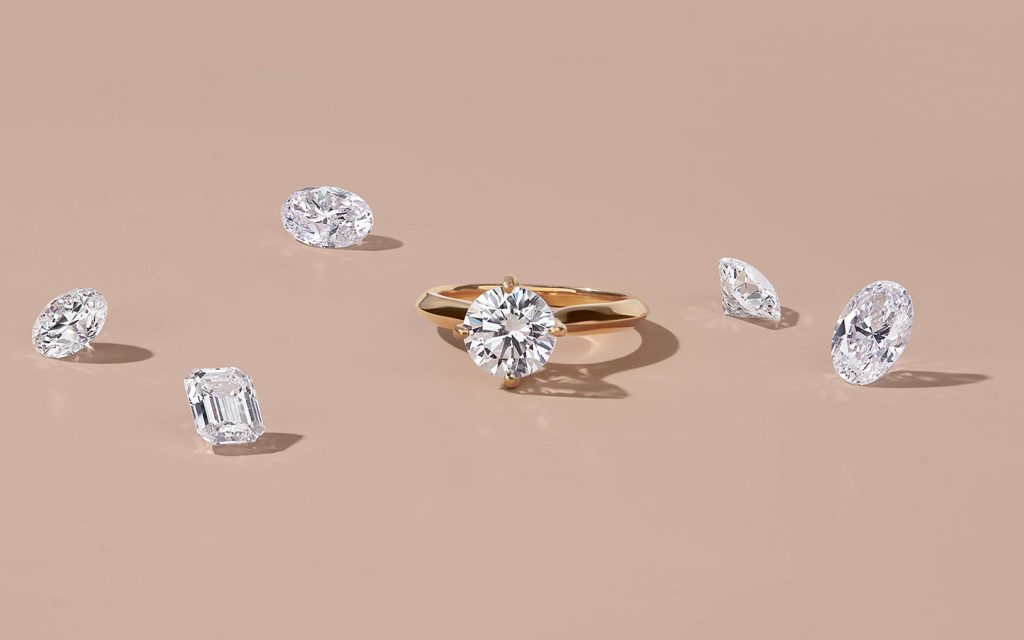
When shopping for lab grown diamonds, one of the most important aspects to consider is certification. Certification ensures that the diamond you’re purchasing has been evaluated for its quality, characteristics, and authenticity. Two of the most recognized diamond grading institutions in the world are IGI and GIA. The comparison of igi vs gia has become especially relevant in the era of lab grown diamonds, as consumers want to ensure their investment is backed by trustworthy and transparent standards. But what’s the difference between these two? How do they compare when it comes to grading lab grown diamonds, and which one should you trust more?
Understanding IGI and GIA Certification Bodies
The International Gemological Institute (IGI) and the Gemological Institute of America (GIA) are both highly respected in the diamond industry. GIA, founded in 1931, is known globally for its rigorous and conservative grading. IGI, on the other hand, has become particularly popular in the lab grown diamonds market due to its broader accessibility and faster turnaround times. When evaluating igi vs gia, it’s crucial to recognize that both institutes follow the 4Cs—cut, color, clarity, and carat weight—yet their grading approaches can vary slightly, especially in terms of how strict or lenient they are.
How IGI and GIA Grade Lab Grown Diamonds
Both IGI and GIA use similar tools and techniques to evaluate lab grown diamonds, but the key differences lie in the consistency and level of detail in the reports. In the igi vs gia comparison, GIA is known for its stringent and sometimes more conservative grading, which may result in a diamond receiving a slightly lower clarity or color grade than it would from IGI. For example, a diamond that receives a VS1 grade from IGI might be graded as VS2 by GIA. This difference can impact the perceived value of lab grown diamonds depending on which certification is used.
Which Certification is More Trusted in the Market?
In the professional jewelry world, GIA holds a slightly stronger reputation due to its historical influence and strict grading. However, IGI has carved a strong niche in the lab grown diamonds industry because of its early adoption of grading for these stones. While comparing igi vs gia, many retailers prefer IGI for lab grown diamonds simply because it provides quicker certification and reports tailored specifically for lab-created stones. GIA was initially more conservative in grading lab grown diamonds and only in recent years began issuing full grading reports for them. This gives IGI a head start in terms of experience with these gems.
What Do Consumers Prefer Between IGI and GIA?
Consumer preference in the igi vs gia debate often depends on the buyer’s purpose. If someone is purchasing lab grown diamonds for a special occasion, they might prioritize a GIA certification due to its elite reputation. However, price-conscious consumers may lean toward IGI-certified stones because they often cost slightly less due to higher grades given for similar quality. For lab grown diamonds, the certification choice can also influence resale value. GIA-certified diamonds generally hold their value better in secondary markets because of the institution’s widespread recognition.
Pricing Differences Based on Certification
One of the most noticeable differences in the igi vs gia debate is how certification affects pricing. Because IGI tends to be more lenient, diamonds graded by IGI may appear to be of higher quality on paper compared to GIA-graded stones. This leniency often translates into a more affordable price for IGI-certified lab grown diamonds, which can be appealing for budget-conscious buyers. However, some buyers prefer the peace of mind that comes with GIA’s stricter standards, even if it means paying slightly more. This pricing discrepancy is a key factor for shoppers deciding between IGI and GIA when investing in lab grown diamonds.
Transparency and Report Format Differences
Another important factor in the igi vs gia comparison is how each institution presents its grading reports. IGI reports are user-friendly, detailed, and typically easier to interpret for first-time buyers. They often include diagrams and full grading results on all aspects of the lab grown diamonds. GIA reports, while slightly more technical, are viewed as more authoritative and consistent. Some consumers prefer GIA’s conservative documentation style, while others appreciate IGI’s simplified, consumer-friendly approach. This difference in report presentation can influence purchasing decisions, especially for those unfamiliar with diamond terminology.
Which Should You Choose for Lab Grown Diamonds?
When making a final decision between igi vs gia, the choice often depends on your individual priorities. If you value strict grading and long-standing prestige, GIA might be your best option. If you prefer quicker turnaround, wider availability, and slightly better-looking grades for your budget, IGI could be ideal. Both institutions provide reliable assessments for lab grown diamonds, so your selection will largely depend on whether you prioritize legacy reputation or modern accessibility. It’s also worth noting that many retailers offer both certifications, allowing consumers to compare and choose based on their comfort level and budget.
The Role of Certification in Ethical Diamond Buying
Lab grown diamonds have revolutionized the jewelry industry by offering an ethical and sustainable alternative to mined diamonds. Choosing a certified diamond—whether from IGI or GIA—ensures that you’re getting a product that has been honestly and professionally evaluated. In the broader context of igi vs gia, both certifications contribute to consumer trust, especially when purchasing lab grown diamonds online or from retailers where you can’t physically inspect the stone. A reliable certification helps protect against misleading sales tactics and ensures the diamond’s characteristics are accurately described.
Conclusion: IGI vs GIA in the Future of Lab Grown Diamonds
The ongoing discussion of igi vs gia will continue as the demand for lab grown diamonds grows. Both IGI and GIA bring value to the industry, with each offering distinct advantages. As more consumers seek eco-friendly and budget-conscious alternatives to mined diamonds, understanding the difference between these certifications becomes essential. Whether you opt for the more conservative GIA or the more accessible IGI, rest assured that certified lab grown diamonds offer a beautiful, ethical, and smart investment for the modern buyer. Choosing the right certification is not just about brand recognition—it’s about aligning with your values, budget, and expectations for quality and transparency in your jewelry purchase.