

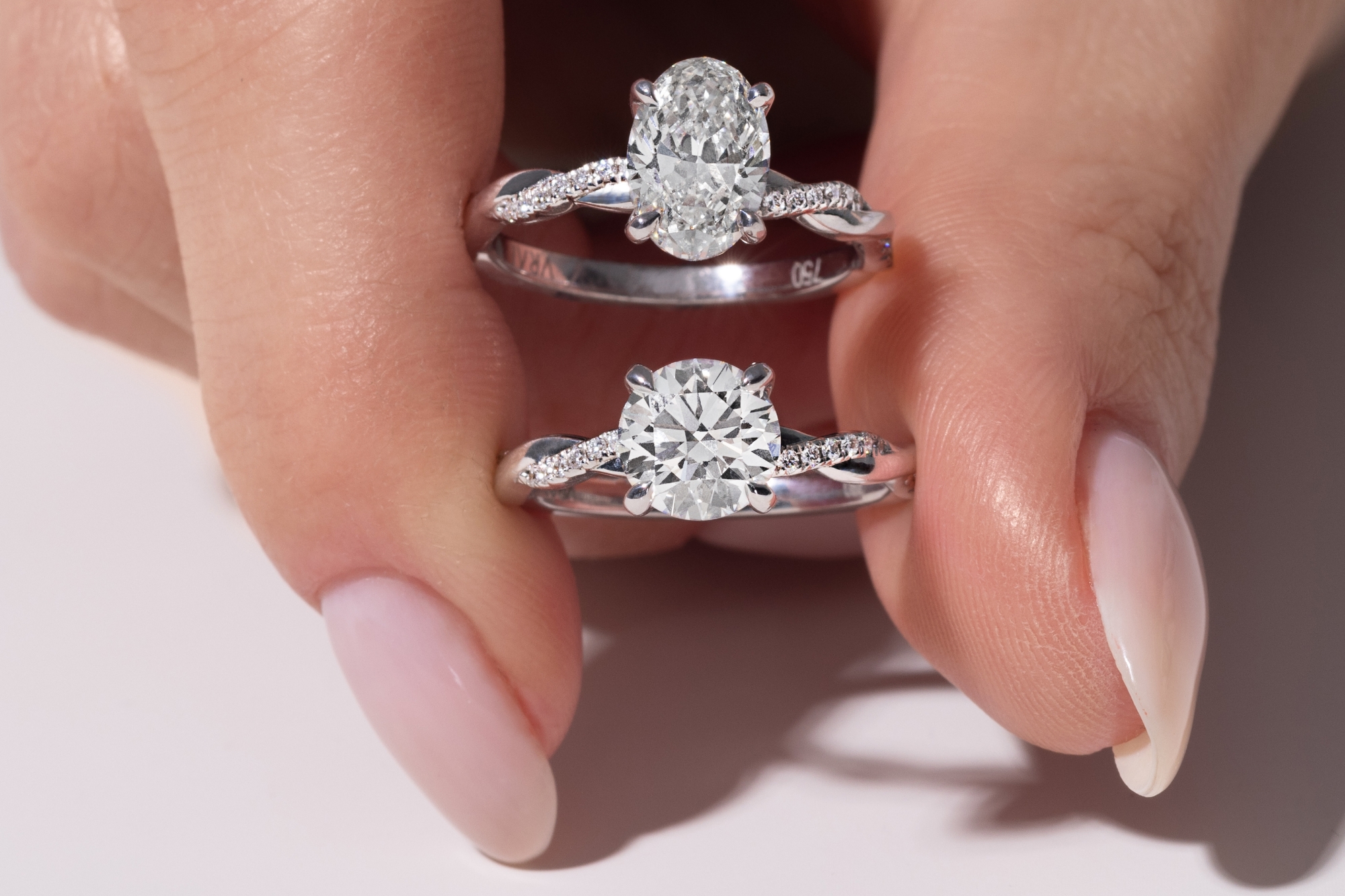
Understanding the Difference Between Natural and Lab Diamonds
When it comes to buying a diamond, one of the most pressing questions today is: Should you choose a diferencia diamante natural y laboratorio? While both options look nearly identical to the naked eye, there are crucial distinctions between them that can impact your purchasing decision—whether you’re looking for an engagement ring, an investment, or a meaningful gift. This article will explore the fundamental differences between natural and lab diamonds, diving into their origins, cost, quality, environmental impact, and long-term value.
What Are Natural Diamonds?
Formed Over Billions of Years
Natural diamonds are created through a geological process that takes billions of years. They are formed under extreme pressure and temperature deep beneath the Earth’s surface, typically more than 100 miles underground. Volcanic eruptions then carry these precious stones closer to the surface, where they are eventually mined. Each natural diamond is unique, a result of its long formation process, and often contains slight imperfections or inclusions that add to its character.
Limited Supply and Rarity
Because natural diamonds are finite and take such a long time to form, they are considered rare. This rarity often contributes to their high market value and appeal, especially for collectors and investors. According to the Gemological Institute of America (GIA), the global diamond supply peaked in 2005 and has been on a slow decline since then.
What Are Lab Diamonds?
The Science Behind Lab Diamonds
Lab diamonds, also known as lab-grown or synthetic diamonds, are made using advanced technological processes that mimic the natural conditions under which diamonds form. The two most common methods are High Pressure High Temperature (HPHT) and Chemical Vapor Deposition (CVD). These diamonds are created in a matter of weeks rather than eons and are virtually indistinguishable from natural diamonds in terms of chemical and physical properties.
Certified and Graded Like Natural Diamonds
Lab diamonds are certified by the same gemological institutes—such as GIA or IGI—that assess natural diamonds. They are graded using the 4 Cs: carat, cut, color, and clarity. In fact, even professional jewelers often require specialized equipment to tell them apart from natural stones. Despite their identical sparkle and structure, lab diamonds typically cost significantly less.
Key Differences Between Natural and Lab Diamonds
Origin and Formation
The most fundamental difference lies in their origin. While natural diamonds are products of nature, lab diamonds are the result of human ingenuity. For buyers, this difference can carry significant emotional or philosophical weight. Some value the history and rarity of a natural diamond, while others appreciate the innovation and ethical production behind a lab-grown gem.
Price and Affordability
Price is perhaps the most striking contrast between the two. Lab diamonds are generally 30% to 50% cheaper than their natural counterparts. This price gap allows consumers to either save money or opt for a larger or higher-quality diamond within the same budget. The affordability of lab diamonds has made them increasingly popular among millennials and Gen Z buyers, who often prioritize value and sustainability.
Environmental and Ethical Impact
Diamond mining has historically been associated with environmental degradation and human rights issues. In contrast, lab diamonds have a smaller ecological footprint. According to a 2019 report by the Diamond Producers Association, lab-grown diamonds use up to 69% less water and generate much fewer carbon emissions than mined diamonds. Moreover, they eliminate concerns around conflict diamonds or exploitative labor practices.
Perception and Resale Value
While the popularity of lab diamonds is growing, natural diamonds still hold a stronger resale value due to their rarity and long-standing status in the luxury market. Many high-end jewelers and traditionalists view natural diamonds as more prestigious. However, lab diamonds are gaining traction as social values shift toward sustainability and cost-effectiveness.
Case Study: A Buyer’s Perspective
Consider Sarah, a 30-year-old marketing executive from New York. She recently got engaged and faced the choice between a 1-carat natural diamond priced at $8,000 and a similar-sized lab diamond costing $4,500. After researching the ethical implications and comparing the two options in person, she opted for the lab diamond. “I couldn’t tell the difference, and I loved the idea of getting more value for my money,” she said. “Plus, knowing it was created ethically made me feel good about the purchase.”
Are Lab Diamonds the Future?
Growing Market Demand
The market for lab diamonds is rapidly expanding. According to a 2023 report by Bain & Company, lab-grown diamonds now account for nearly 10% of the global diamond jewelry market, up from just 2% in 2018. Brands like Pandora and Brilliant Earth have embraced the trend, offering full lines of lab-grown jewelry and promoting them as the more ethical and eco-friendly option.
Technological Advancements
As technology improves, the quality of lab diamonds continues to rise. Today’s lab diamonds often exhibit better clarity and fewer inclusions than many natural stones. Some companies even offer colored lab diamonds, which are difficult and expensive to find in nature.
Which Should You Choose?
The decision between natural and lab diamonds ultimately depends on your values, budget, and preferences. If you value tradition, rarity, and long-term investment, a natural diamond might be the right choice. If you prioritize ethics, sustainability, and getting the most sparkle for your buck, lab diamonds are an excellent alternative.
Final Thoughts
Both natural and lab diamonds offer beauty, durability, and brilliance. The main differences lie in their origin, environmental impact, and cost. As consumer awareness grows and lab technology advances, the stigma surrounding lab diamonds is fading. Whether you’re buying for love, fashion, or investment, understanding these distinctions can help you make an informed and confident choice.
Lab diamonds aren’t just a trend—they’re a revolutionary shift in how we think about luxury, sustainability, and value. And with no compromise on quality, they’re proving that sparkle doesn’t have to come at a cost to the planet or your wallet.