

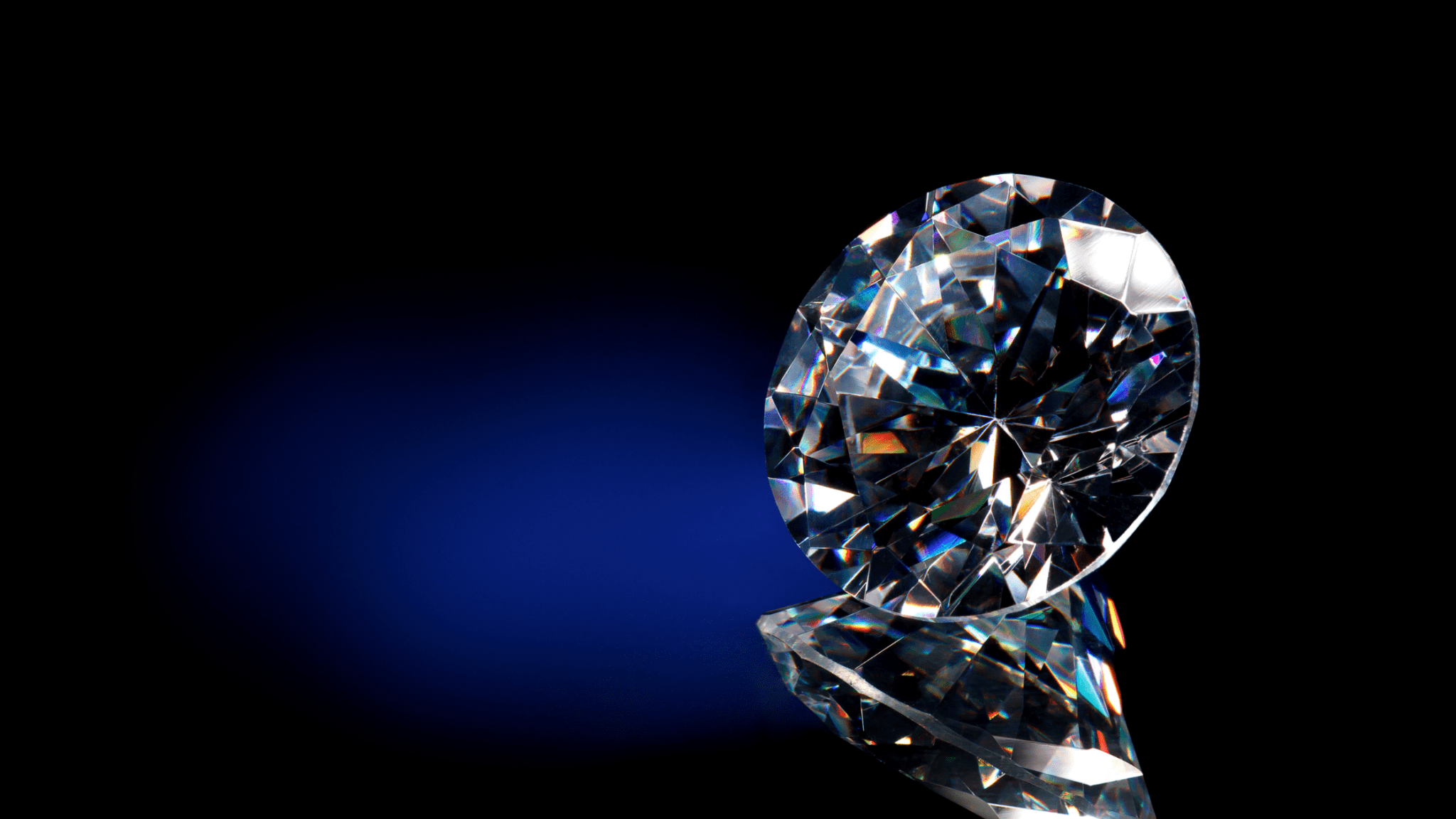
Diamond cuts are not just about shaping a gemstone; they are an art form that defines brilliance, sparkle, and elegance in jewelry. From classic round brilliants to contemporary princess cuts, each diamond cut has its own allure and impact on both aesthetics and value.
Introduction to Diamond Cuts
When you admire a diamond’s sparkle, you’re witnessing the result of its cut. The cut refers to how a diamond’s facets interact with light. It’s a crucial aspect of diamond grading alongside clarity, color, and carat weight. A well-cut diamond can maximize its beauty, while a poorly cut one may appear dull despite good clarity and color.
What Defines a Diamond Cut?
A diamond’s cut encompasses its proportions, symmetry, and polish. These factors determine how light enters the stone, reflects within it, and exits, creating that mesmerizing sparkle known as brilliance.
Importance of Diamond Cuts in Jewelry
In jewelry design, the cut enhances the stone’s visual appeal and can complement different settings and styles, from vintage to modern.
Types of Diamond Cuts
Diamonds come in various cuts, each with its own shape, facets, and brilliance. Let’s explore some of the most popular types:
Round Brilliant Cut
The round brilliant cut is arguably the most popular and classic diamond shape. Its symmetrical facets maximize brilliance and fire, making it ideal for engagement rings and other statement jewelry pieces.
Characteristics and Brilliance
The round brilliant cut consists of 58 facets, meticulously arranged to reflect light internally and back to the viewer’s eye. This cut is engineered for maximum sparkle and is a timeless choice.
Ideal Uses in Jewelry
Due to its versatility and ability to enhance a diamond’s natural sparkle, the round brilliant cut is widely favored in solitaire rings, stud earrings, and classic pendants.
Princess Cut
The princess cut features a square or rectangular shape with pointed corners. Known for its modern appeal, this cut combines brilliance with a contemporary silhouette.
Distinctive Features
Princess-cut diamonds typically have a higher number of facets than traditional square cuts, enhancing their fire and scintillation. This makes them a popular choice for engagement rings seeking a balance between tradition and modernity.
Modern Appeal
The clean lines and geometric shape of the princess cut make it well-suited for both solitaire rings and accent stones in elaborate settings.
Emerald Cut
The emerald cut is characterized by its rectangular shape and step-cut facets. Unlike brilliant cuts, which prioritize sparkle, the emerald cut emphasizes clarity and elegance.
Step-Cut Faceting
The emerald cut’s long facets create a hall-of-mirrors effect, showcasing the diamond’s clarity and transparency. This cut is favored for its understated sophistication and vintage charm.
Elegance and Clarity
Ideal for showcasing high-quality diamonds with excellent clarity, the emerald cut is often chosen for engagement rings and statement earrings where clarity and purity are paramount.
Marquise Cut
The marquise cut features a distinctive elongated shape with pointed ends, resembling the hull of a boat. It is renowned for its unique optical illusion of appearing larger than its carat weight suggests.
Historical Background
Named after the Marquise de Pompadour, man made diamonds, a mistress of King Louis XV of France, this cut dates back to the 18th century. Its elongated shape was designed to maximize carat weight while maintaining brilliance.
Unique Shape and Optical Illusion
The marquise cut’s elongated silhouette makes it a favorite for those seeking a diamond that elongates the finger and stands out in jewelry designs. It is often set lengthwise in rings to accentuate its elegant shape.
Pear Cut
The pear cut, also known as teardrop cut, combines the round and marquise shapes, featuring a rounded end tapering to a point at the other. It offers a blend of brilliance and uniqueness.
Choosing the Right Diamond Cut
Selecting the perfect diamond cut involves considering personal preferences, style, and practicality. Whether you prioritize sparkle, uniqueness, or historical significance, there’s a diamond cut that suits every taste and occasion.
Considerations Based on Personality
Your choice of diamond cut can reflect your personality and lifestyle. For instance, a round brilliant cut might appeal to traditionalists, while an emerald cut could resonate with those who appreciate understated elegance.
Matching Cut to Setting and Style
The setting and style of your jewelry piece should complement the diamond cut. For example, a vintage-inspired setting may pair beautifully with an emerald cut, whereas a modern setting could enhance the brilliance of a princess cut.
Diamond Cut Grading
Diamond cut grading assesses how well a diamond’s facets interact with light. It’s crucial for understanding a diamond’s overall beauty and value.
Importance of Cut Grade in Diamond Certification
Diamond grading laboratories evaluate cut quality based on criteria such as brightness, fire, and scintillation. A higher cut grade indicates superior light performance and enhances a diamond’s marketability.
Evaluating Cut Quality
Look for diamonds with excellent or ideal cut grades for optimal brilliance and sparkle. These diamonds are crafted with precise proportions and symmetry to maximize light reflection.
Diamond Cut Trends
Diamond cutting techniques and consumer preferences evolve over time, influencing trends in jewelry design.
Evolution Over Time
Historically, certain cuts like the round brilliant have maintained popularity due to their timeless appeal. However, modern trends favor innovative cuts like the cushion cut, which combines vintage charm with contemporary brilliance.
Contemporary Preferences
Today, consumers gravitate towards diamond cuts that offer a balance of tradition and modernity. Cuts like the oval and radiant are gaining popularity for their unique shapes and ability to stand out in jewelry pieces.
Conclusion
In conclusion, diamond cuts play a pivotal role in defining a diamond’s beauty and character. Whether you prefer the classic brilliance of a round cut or the modern allure of a princess cut, each diamond cut tells a story and enhances the jewelry it adorns.