

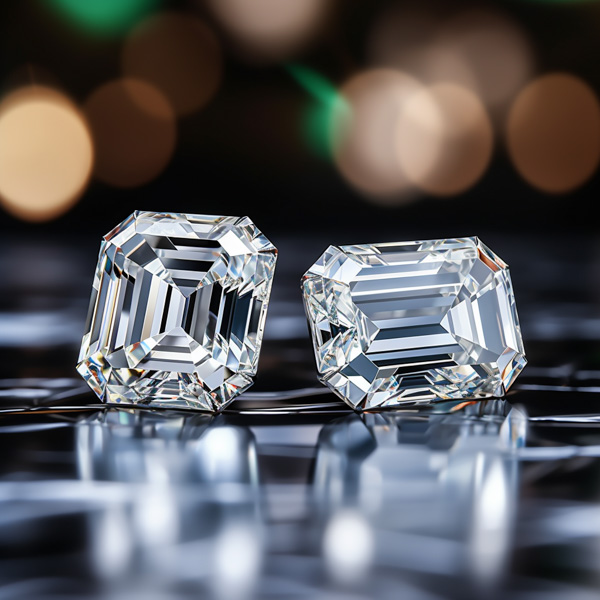
Lab diamonds have become increasingly well known because of their ethical and ecological advantages, yet they are not by any means the only choices available. Assuming that you’re considering options in contrast to lab diamonds, understanding what lab diamond substitutes are and the way in which they look at can assist you with making an informed decision. This article digs into a few well known substitutes for lab diamonds, exploring their highlights, advantages, and likely disadvantages.
What Are Lab Diamond Substitutes?
Lab diamond substitutes are materials utilized as options in contrast to lab-created diamonds. While lab diamonds are synthetically and genuinely indistinguishable from natural diamonds, their substitutes offer different qualities and price tags. These substitutes can go from engineered stones to natural gemstones, each with its special properties. Understanding these choices assists you with choosing the best option in view of your inclinations and spending plan.
Moissanite: A Well known Lab Diamond Substitute
One of the most notable lab diamond substitutes is moissanite. This gemstone, originally found in a shooting star, is made out of silicon carbide. Moissanite is renowned for its splendor and fire, frequently surpassing that of natural diamonds. It is a sturdy and reasonable other option, making it a well known decision for wedding bands and other gems. Be that as it may, while moissanite intently looks like diamonds, its distinct shimmer and variety contrasts can be observable to specialists.
Cubic Zirconia: A Reasonable Choice
Cubic zirconia (CZ) is another normal lab diamond substitute. CZ is a manufactured gemstone made from zirconium dioxide. It is generally utilized in design gems because of its minimal expense and adaptability. In spite of the fact that CZ can mirror the presence of a diamond, it is less sturdy and has lower splendor contrasted with diamonds and moissanite. CZ is frequently utilized for outfit gems and style pieces where cost-viability is really important.
White Sapphire: A Natural Other option
White sapphire is a natural gemstone that can act as a lab diamond substitute. Sapphires are known for their hardness and toughness, making them reasonable for regular wear. White sapphires are less splendid than diamonds yet can in any case give a work of art, downplayed look. They offer a more reasonable choice contrasted with diamonds and are in many cases picked for wedding bands and fine gems. Nonetheless, they miss the mark on same degree of shimmer and fire that diamonds have.
Manufactured Spinel: A Flexible Substitute
Manufactured spinel is another reasonable lab diamond substitute. Spinel is a natural gemstone that comes in different varieties, however engineered spinel is in many cases used to mirror diamonds. It is created in a lab and offers a scope of varieties and lucidity levels. Engineered spinel is strong and reasonable, making it a viable option for different kinds of gems. Be that as it may, it does not show similar brightness as diamonds and might not have a similar degree of buyer acknowledgment.
Lab-Grown Diamonds: High level Other options
Notwithstanding conventional substitutes, lab-grown jewels are becoming more complex. These jewels are created in controlled conditions and can reproduce the presence of natural stones. Models include lab-grown sapphires, rubies, and emeralds. While these stones can give a comparable tasteful to diamonds, they vary in organization and qualities. Lab-grown jewels offer a sustainable and ethical decision yet may accompany different costs and appearance subtleties contrasted with lab diamonds.
Comparing Lab Diamond Substitutes to Natural Diamonds
While considering lab diamond substitutes, contrasting them with natural diamonds is fundamental. Lab diamonds and natural diamonds are synthetically indistinguishable yet vary in their origin. Lab diamonds are created in a lab, while natural diamonds are shaped north of millions of years. Substitutes, then again, are distinct materials that impersonate the presence of diamonds yet have their own special properties. Every choice enjoys its benefits and disadvantages, depending on your inclinations for appearance, sturdiness, and cost.
Advantages of Choosing Lab Diamond Substitutes
Lab diamond substitutes offer a few advantages. For instance, they frequently come at a lower sticker cost contrasted with lab diamonds and natural diamonds. This moderateness makes them open for those on a careful spending plan or seeking more practical choices. Furthermore, many substitutes, for example, moissanite and manufactured spinel, are created in labs, which can line up with ethical and natural qualities. By choosing a lab diamond substitute, you can find a wonderful and capable option in contrast to conventional diamonds.
Contemplations for Selecting the Right Substitute
While selecting a lab diamond substitute, consider factors like sturdiness, brightness, and cost. Each substitute has own arrangement of qualities can influence its appropriateness for various sorts of adornments. For instance, moissanite offers outstanding splendor yet can be more costly than CZ. White sapphires give a natural choice however may miss the mark on shimmer of diamonds. Assess your needs and inclinations to determine which substitute best addresses your issues.
Conclusion: Finding the Best Lab Diamond Substitute
In conclusion, lab diamond substitutes offer a scope of choices for those seeking options in contrast to lab-created or natural diamonds. From moissanite to cubic zirconia, each substitute has its remarkable properties and advantages. By understanding what lab diamond substitutes are available and comparing their elements, you can pursue an informed choice that lines up with your inclinations and spending plan. Whether you’re looking for a reasonable choice, a sustainable decision, or a particular stylish, exploring these options can assist you with finding the ideal gemstone for your necessities.